
The evolution of gambling A journey through history
Ancient Beginnings
The origins of gambling can be traced back to ancient civilizations, where activities like dice games and betting on outcomes were prevalent. Archaeological evidence suggests that the earliest forms of gambling occurred in Mesopotamia around 3000 BC, where clay dice and betting tokens were found. These early games laid the groundwork for the structured gambling systems we see today. Today, enthusiasts can enjoy the best online pokies nz that capture the spirit of these ancient pastimes.
:max_bytes(150000):strip_icc():format(webp)/Casino-Games-by-Michael-Blann-GettyImages-200325572-001-5c26042d46e0fb00017bb4b3.jpg)
In ancient China, gambling was also a popular pastime, with historical records indicating that games of chance, including rudimentary versions of keno, were played. The allure of risk and the thrill of potential reward fascinated people, creating a culture around gaming that would persist for centuries.
The Rise of Formal Gambling
As societies evolved, so did gambling. In the Middle Ages, gambling became more formalized with the establishment of betting houses and casinos. The first recorded gaming house appeared in Venice in the 17th century, marking the transition from informal street gambling to organized gaming venues. This shift allowed for regulation and an increase in popularity among the upper classes.
The creation of lotteries further expanded the gambling landscape, providing governments with a means of raising funds while offering citizens the chance to win substantial prizes. This combination of state involvement and public participation solidified gambling’s place in society, paving the way for modern gaming operations. Tips and tricks for navigating this world continue to evolve.
The 20th Century Transformation
The 20th century saw a significant transformation in the gambling industry, particularly with the introduction of casinos in Las Vegas during the 1930s. The glitz and glamour of these establishments attracted millions of visitors and solidified the city’s reputation as the gambling capital of the world. With this newfound popularity, casinos began to offer a diverse array of games, from slot machines to poker tables, catering to various preferences.
The proliferation of gambling in the 20th century was not limited to land-based venues. The rise of television and later the internet introduced new dimensions to gambling. Betting on sports and participating in online games became commonplace, making it easier for individuals to engage in gambling from the comfort of their homes.
The Digital Revolution
The advent of the internet in the late 20th century marked another pivotal moment in the evolution of gambling. Online casinos emerged, allowing players to access a vast array of games with just a few clicks. This shift not only broadened the market but also introduced innovative gaming options, such as live dealer games and mobile betting, which made gambling even more accessible.
Online gambling platforms have also implemented advanced security measures and responsible gaming practices, addressing concerns about fairness and addiction. The digital revolution continues to shape the gambling landscape, leading to ongoing advancements in technology and gaming experiences that appeal to a global audience.
Embracing the Future of Gambling
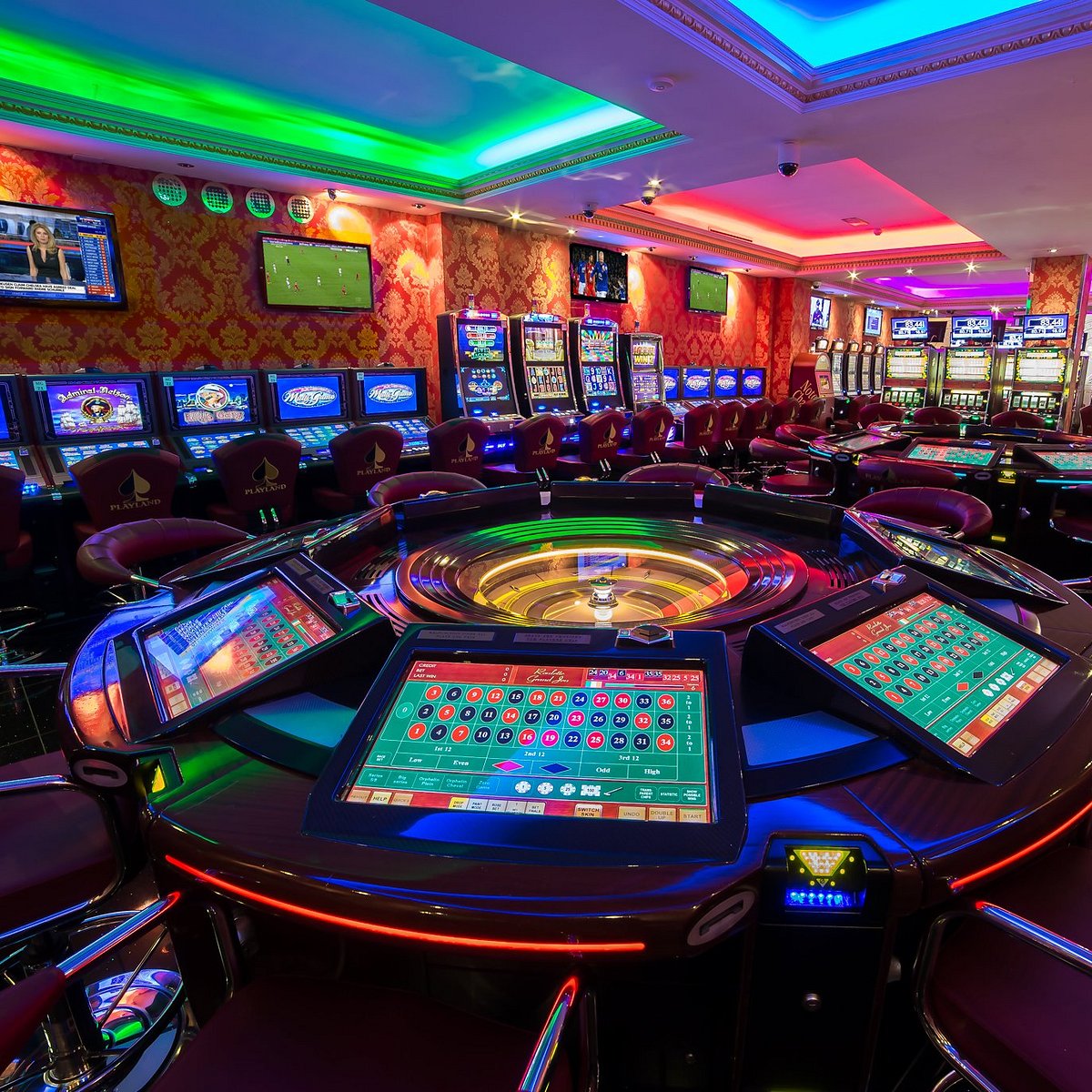
As the gambling industry continues to evolve, emerging technologies such as virtual reality and blockchain are set to redefine the gaming experience. Virtual reality casinos promise to immerse players in lifelike environments, while blockchain technology aims to enhance transparency and security in online transactions.
For New Zealand players looking for an exciting gambling experience, Online Pokies NZ stands out as a premier destination. Featuring a wide selection of high-quality pokies, this platform offers both classic and modern games. With enticing bonuses and 24/7 customer support, Online Pokies NZ ensures a secure and enjoyable environment for all players.