
Understanding the psychological triggers that drive gambling behavior
The allure of risk and reward
Gambling inherently involves risk, and the psychological appeal of this risk can be captivating. The thrill of placing a bet, coupled with the potential for significant monetary gain, activates the brain’s reward system. This system releases dopamine, a neurotransmitter associated with pleasure, which reinforces the behavior and encourages repeated gambling. As a result, individuals may find themselves caught in a cycle where the initial excitement leads to increased wagering. Many people are drawn to this dynamic, often exploring platforms like online casino games that heighten the allure of financial stakes.

This urge is not solely about financial gain; it can also stem from a desire for social acceptance and validation. Many gamblers may seek to prove themselves within their social circles, believing that success in gambling can elevate their status. This interplay between risk and reward can create an addictive loop, where the anticipation of winning outweighs the rational assessment of the odds.
The role of cognitive biases
Cognitive biases significantly influence gambling behavior, often leading individuals to overestimate their chances of winning. One prevalent bias is the illusion of control, where gamblers believe they can influence the outcome of random events. This belief can be particularly strong in games where skill is involved, like poker or sports betting, creating a false sense of mastery over unpredictable outcomes.
Another common bias is the gambler’s fallacy, where individuals think that past events affect future probabilities. For example, a player might believe that if a particular number hasn’t come up in a while, it is more likely to hit soon. These biases can distort decision-making, leading to irrational betting patterns and escalating risks.
Emotional influences on gambling
Emotions play a critical role in driving gambling behavior. Many individuals gamble to escape negative feelings or enhance positive ones. For instance, someone experiencing stress or anxiety may turn to gambling as a form of distraction. The temporary escape provided by gambling can create a cycle where individuals rely on it as a coping mechanism, further entrenching their gambling habits.
Conversely, positive emotions can also fuel gambling. Winning can lead to feelings of euphoria, prompting individuals to chase further wins, often disregarding the financial implications. This emotional rollercoaster can make it difficult for gamblers to recognize when their behavior is becoming problematic.
Social and environmental factors
The environment in which gambling occurs can significantly impact behavior. For instance, exposure to gambling through friends or family can normalize the behavior, making it more acceptable. Additionally, advertising and promotions can create an enticing atmosphere that encourages participation, making it seem like a regular part of social life.
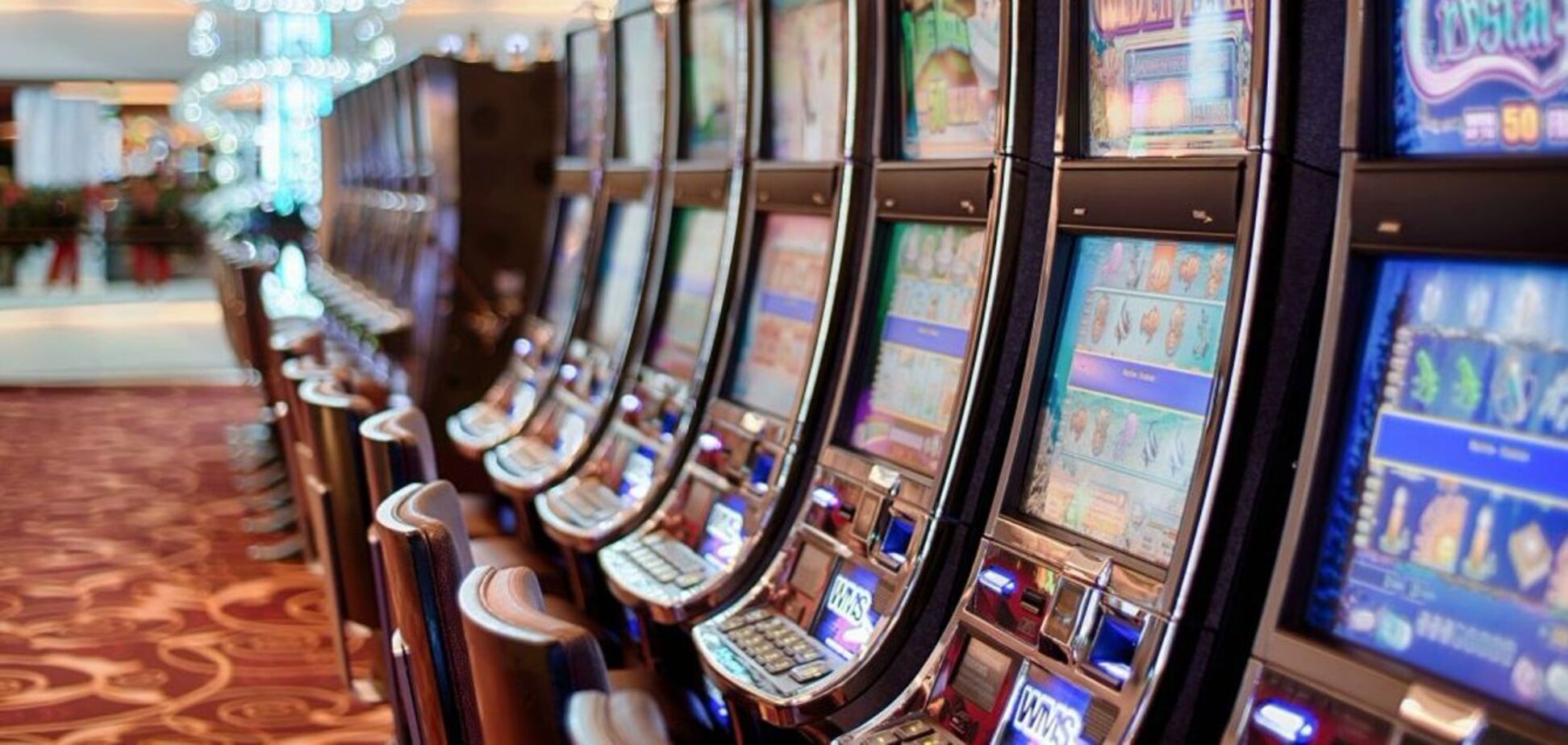
Certain environments, such as casinos, are designed to stimulate gambling behavior, using bright lights and sounds to enhance excitement. This strategic design can lead to impulsive decisions and increased time spent gambling, as individuals are drawn deeper into the experience without considering the consequences.
Community and support resources
Understanding the psychological triggers that drive gambling behavior is crucial for those seeking help or wanting to foster a supportive community. Websites like shesacrowd.com aim to empower individuals by connecting them with resources and insights that can lead to healthier habits. The platform serves as a space for sharing experiences and advice, which can be invaluable for those struggling with gambling.
By engaging with others who understand the challenges, individuals can find support and encouragement. Access to community resources can promote personal growth, helping individuals to navigate their relationship with gambling and make informed decisions about their behavior.